In winter, outdoor gear can get a little rough on the edges, and your trampoline is no exception. Strong winds, freezing temperatures, and heavy snow add extra strain to the jumping surface, springs, safety net, and frame. Rust and premature deterioration of metal components often occur due to moisture.
Proper winterizing helps protect your trampoline during the winter and ensures it's ready to go when warmer weather returns, especially if you live in an area with harsh winters. The first step in winter storage is to clean and dry all parts of your trampoline, then pack away soft accessories, the safety net, springs, and jumping mat, and store them in a dry indoor location.
This guide will let you know about how to store trampoline in winter. This is necessary, depending on local weather conditions. If snow is heavy, it is recommended to remove the safety net and jumping mat so that the trampoline is not damaged by the snow.
Why Should You Store a Trampoline for Winter?
You may wonder whether you really need to take your trampoline apart for winter months. Well, it depends on your local weather and the type of trampoline you have installed. Not all trampolines need to be fully disassembled in winter. If you live somewhere with mild winter weather, you may be able to leave your trampoline assembled with proper winter maintenance. However, areas with heavy snowfall, freezing temperatures, ice, or severe weather require extra care.
You will be surprised to know how heavy snow becomes once it accumulates on a trampoline. The added weight can place stress on the jumping mat, springs, safety net, and trampoline frame. Moreover, ice adds more weight on the trampoline and makes it harder to inspect the components.
Moisture is another concern. Repeated exposure to rain, melting snow, and cold temperatures contribute to rust, particularly on metal springs, bolts, and other metal parts. Proper winter storage helps:
-
Protect the jumping mat from heavy snow and ice.
-
Reduce stress on the springs.
-
Protect the trampoline frame.
-
Reduce moisture-related damage and help prevent rust.
-
Protect the safety net and trampoline pad.
-
Minimize wear and tear.
-
Extend the useful life of your trampoline.
If you’re looking for a high-quality trampoline designed for outdoor use, you must consider Jumpzylla’s trampoline collection to compare available sizes and models.
How to Store a Trampoline in Winter: Step-by-Step
-
Check the Winter Weather Forecast
Before you start winterizing, check your area's weather forecast. If heavy snow, freezing temperatures, ice, or strong winds are expected, prepare your trampoline before the weather arrives.
Don’t wait until snow has already accumulated on the jumping surface. It is much easier and safer to remove components while everything is dry.
-
Remove the Safety Net
Start by removing the safety net and enclosure components, following your trampoline’s assembly instructions. The net is one of the softer components and is affected by prolonged exposure to snow, ice, moisture, and freezing temperatures.
After removing it, inspect the net for tears, fraying, loose stitching, or damaged attachment points. This is a good opportunity to replace any component showing signs of wear before the next jumping season.
-
Remove the Jumping Mat
Next, remove the jumping mat from the trampoline frame. This is particularly important if you live in an area with heavy snowfall. Jumpzylla recommends removing the jumping mat in areas with heavy snow because accumulated snow stretches the springs and places excessive weight on the trampoline structure.
Clean the mat before storing it, and let it dry completely. Never store a damp mat because trapped moisture contributes to mold, mildew, and material deterioration.
-
Remove the Trampoline Pad
If your trampoline’s trampoline pad, frame pads, or spring cover are removable, take them off as well. Inspect the padding for cracks, tears, fading, or water damage. Clean it according to the manufacturer’s instructions, and let it dry completely before storing it.
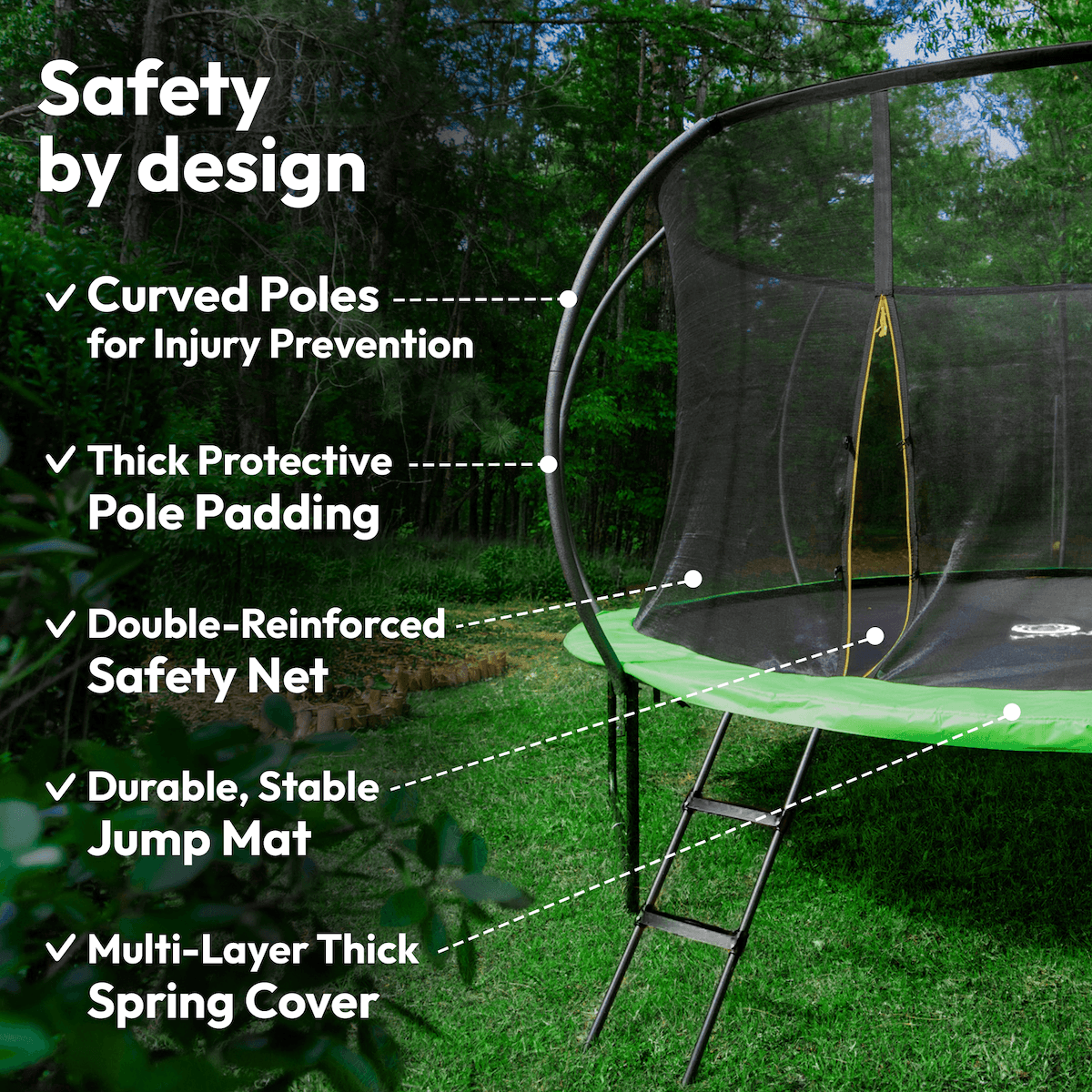
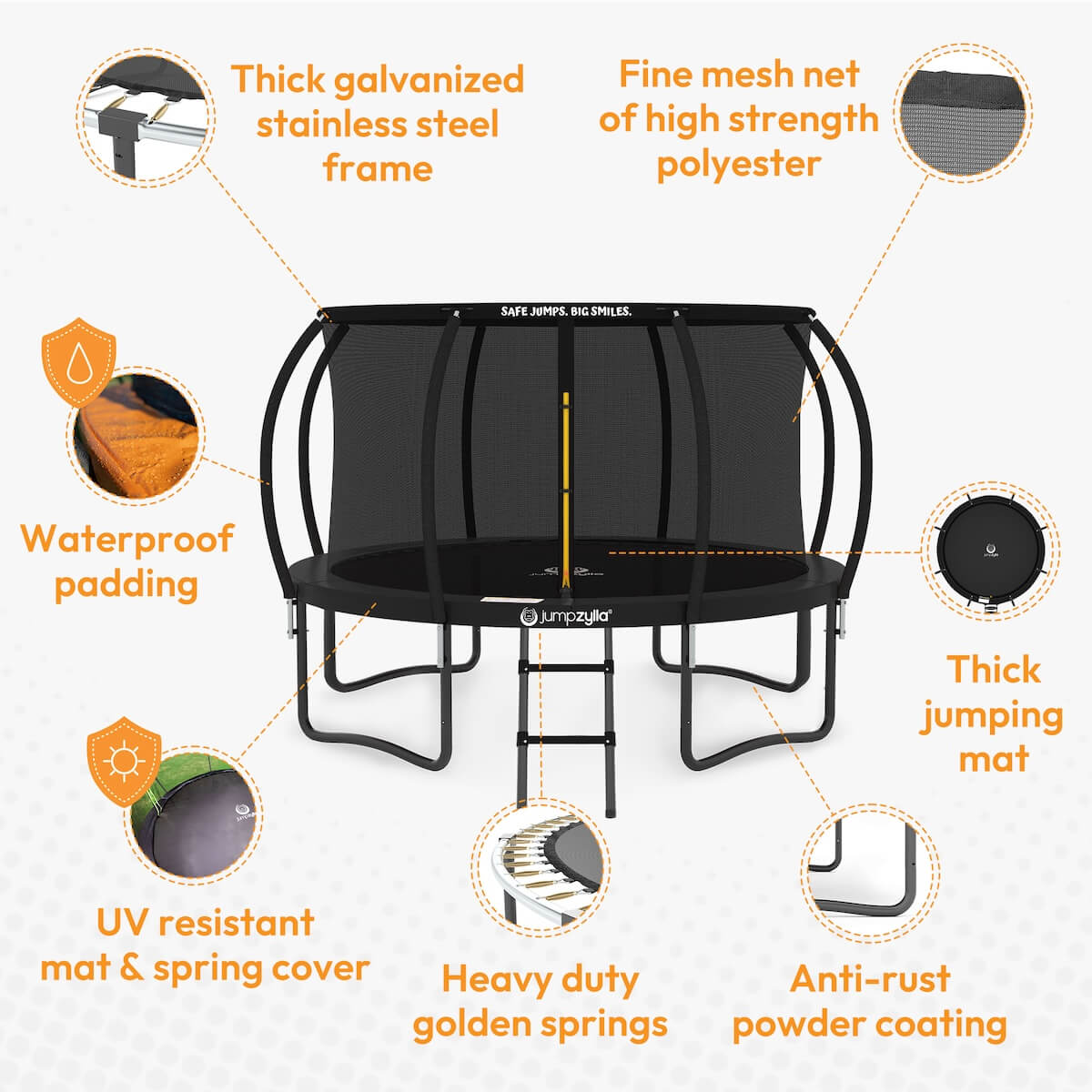
Jumpzylla trampolines use thick spring safety padding designed to cover the springs and provide protection during normal backyard use.
-
Decide Whether to Disassemble the Frame Fully
You don’t always need to disassemble the trampoline fully. If your area experiences harsh winter conditions, fully disassembling the trampoline may provide additional protection. However, if the manufacturer allows the trampoline frame to remain assembled, you may be able to leave it in place after removing the more vulnerable soft components.
Jumpzylla notes that its galvanized steel frame is rust-resistant, while the net, mat, and spring cover are more susceptible to damage from heavy snow loads and extreme ice. If you cannot disassemble the entire trampoline, remove at least the jumping mat and safety net.
-
Clean and Dry Every Component
Before storing any removable parts, remove dirt, debris, leaves, grass, and other material that may have collected on the trampoline. Furthermore, when appropriate for the material, use mild soap and water and follow the manufacturer’s cleaning recommendations.
Pay particular attention to areas around the springs and frame connections. After cleaning, let each component dry completely. Make sure you keep metal parts clean and dry to reduce moisture buildup and prevent rust during storage.
-
Store the Parts in a Dry Place
Choose a clean, dry storage area such as a garage, shed, or other sheltered indoor space. You need to keep the jumping mat, safety net, trampoline pad, and other components away from moisture, direct sunlight, chemicals, and sharp objects.
Don’t place heavy items on stored components. Excessive weight may bend, stretch, or damage the materials. If you have limited storage space, store the components carefully, without folding or compressing them more than the manufacturer recommends.
Keep small hardware, such as bolts, hooks, and fasteners, together in a labeled container. This makes spring reassembly much easier.
-
Protect the Remaining Frame
If you leave the frame outdoors, make sure it is properly secured. Strong winds and strong gusts may move an unsecured trampoline and potentially damage the frame or surrounding property. Check that the anchors remain firmly attached to the ground before winter weather arrives.
It is recommended to use an anchor kit in high-wind areas to help secure the frame. If the trampoline remains assembled, remove heavy snow rather than allowing it to build up.
What If You Can’t Take the Trampoline Apart?
Not everyone has enough storage space to disassemble a trampoline fully. If full disassembly isn’t practical, you need to focus on protecting the components most vulnerable to winter weather. At a minimum, remove the jumping mat and safety net in areas with heavy snow. This significantly reduces the snow weight on the springs and frame.
You can use a trampoline cover for extra protection during periods of non-use. A weather-resistant cover helps keep the jumping surface cleaner and reduce exposure to moisture and debris. However, a trampoline cover is not a substitute for removing heavy snow. If snow accumulates on the cover, remove it promptly, following the manufacturer’s instructions.
Before winter approaches, inspect the frame, springs, padding, and other components for signs of wear. Addressing small problems now makes your trampoline easier to prepare and safer to use when winter ends.
Winter Maintenance for a Trampoline Left Outdoors
If you leave your trampoline assembled throughout the winter, regular maintenance becomes especially important. So you need to inspect the trampoline regularly for:
-
Heavy snow accumulation
-
Ice buildup
-
Rust on springs or metal components
-
Tears in the mat or safety net
-
Damaged trampoline pads
-
Loose bolts or frame connections
-
Movement caused by strong wind
-
Moisture collecting around the frame
If snow accumulates, you need to brush it off carefully rather than letting the weight stay on the jumping surface. Avoid using sharp tools that could tear the mat or cover. If the ground freezes, check that the trampoline remains stable and that its anchors have not shifted.
Final Words
Once you know how to store trampoline in winter, it will help protect your investment from snow, ice, moisture, wind, and freezing temperatures. To cover areas with heavy winter weather, you need to remove the safety net, jumping mat, and padding where applicable. Clean and dry each component before storing it in a dry place. If the frame stays outdoors, anchor it securely and remove heavy snow accumulation.
When spring arrives, don’t let the kids jump right away. First, inspect the frame, springs, mat, trampoline pad, and safety net. Replace damaged or worn components before using the trampoline again. Proper trampoline care and winterizing helps protect your equipment during the cold months and keep it ready for year-round fun when the weather warms up.
Frequently Asked Questions
Should I take my trampoline down for the winter?
If you live in an area with heavy snow, ice, or severe winter weather, we recommend taking down at least the most vulnerable components. It is recommended to remove the safety net and jumping mat in areas with heavy snow to prevent snow weight from stretching the springs or stressing the frame. You may not need to completely disassemble the frame if your local conditions are mild and the manufacturer permits leaving it assembled. Always follow the care instructions for your specific trampoline.