A trampoline in the backyard is a popular place for children to play, exercise, and enjoy the outdoors. If you are considering investing in one, it is necessary to see how long trampolines last before you should have to replace them.
A typical outdoor trampoline lasts between 3 and 8 years, depending on quality, weather conditions, use, and maintenance. If the trampoline and its materials are high quality, it will last many years if you take care of it properly.
Since you are looking for trampolines, you need to understand that not every part has the same expected lifespan. The components of the trampoline can wear out at different rates, including the trampoline jumping mat, trampoline safety net, trampoline padding and other parts.
How Long Do Trampolines Last on Average?
The average lifespan of a trampoline is approximately 5 to 10 years with proper care. However, the durability of the trampoline depends on the quality of the material used, outdoor use, weather and usage frequency.
A trampoline with a high-quality frame, rust-resistant hardware, robust springs, a UV-treated mat and a robust enclosure will last longer than cheaper trampolines.The frame is typically a part with a longer lifespan. Trampoline springs, safety pads and the trampoline mat are subject to repeated stresses and may need to be replaced earlier.
This will prevent you from having to replace the entire unit when one part goes bad. When the frame is still intact, it may be safe to continue using your trampoline if you replace the old springs, a worn mat or an old safety net.
Protip: It is advised to replacing individual components when needed. This approach is more cost-effective than buying a new trampoline.
What Affects a Trampoline's Lifespan?
Several factors can affect how long a trampoline will last. Some of these factors are explained below:

-
Quality of the Trampoline
A trampoline's quality directly affects its durability. When searching for a trampoline, look for features such as durable frames, reinforced jumping mats, UV protection, quality padding, and secure enclosure systems. You can explore outdoor trampolines to see models designed with these durability and safety features in mind. High-quality materials help the trampoline withstand everyday wear and tear.
Note: A premium trampoline may cost more initially, but its longer expected lifespan can make it a more cost-effective choice over time.
-
Weather Exposure
Outdoor trampolines experience constant exposure to the elements. Sun, rain, humidity, wind, and snow all affect trampoline components. UV rays and prolonged sun exposure cause the mat, safety net, and padding to fade or deteriorate over time. UV resistant mats help reduce the effects of constant exposure, but it does not make these materials immune to wear.
Rain and moisture contribute to rust, particularly around springs, bolts, and other metal components. Choosing galvanized steel frames and components with appropriate rust protection can help. Moreover, snow can also add considerable weight to the jumping surface. Removing accumulated snow helps prevent unnecessary stress on the mat, springs, and frame.
-
Frequency of Use
A frequently used trampoline will have components with more wear and tear as frequent jumping on the trampoline places repeated pressure on the springs and jumping mat. A trampoline that is used by kids every day will generally experience more stress than one that is used occasionally.
Over time, trampoline springs lose tension, the mat and stitching may show early signs of wear. This is why regular maintenance becomes particularly important for your outdoor equipment, especially when your trampoline gets heavy outdoor use.
-
Weight and Number of Jumpers

Always follow the manufacturer's recommended user limits, if you exceed the maximum user weight stresses the springs, mat, frame, and other components. Multiple people jumping at the same time affect stability and increase the chance of collisions or falls.
Installation and Location
A trampoline properly installed on a suitable, level surface is better positioned to provide stable, reliable use. The location matters, too. Avoid placing your trampoline directly against fences, walls, trees, or other structures. Keep the surrounding area clear so the enclosure net and frame have adequate space.
Moreover, you need to properly anchor the trampoline, especially in areas with strong winds. An unsecured trampoline can move or tip, damaging the frame and other components.
How Long Do Different Trampoline Components Last?
Not all trampoline parts last the same amount of time. Some components can last for many years, while others require more frequent inspection and replacement.
|
Trampoline Part |
Common Signs of Wear |
When to Replace |
|
Jumping mat / trampoline mat |
Fading, stretching, fraying, a small tear, damaged stitching, or loose attachment points. |
Replace immediately if the mat is torn, excessively stretched, or structurally damaged. |
|
Trampoline springs |
Rust, stretching, broken hooks, deformation, or reduced bounce. |
Replace damaged, broken, or significantly stretched springs. |
|
Safety net / enclosure net |
Tears, fraying, loose stitching, or damaged attachment points. |
Replace when the net can no longer provide a secure barrier. |
|
Safety pads / padding |
Cracking, fading, splitting, exposed foam, or water damage. |
Replace when padding no longer adequately covers the frame and springs. |
|
Trampoline frame |
Rust, cracks, bending, loose connections, or unusual movement. |
Replace damaged structural components before continued use. |
|
Poles and hardware |
Rust, bending, loose bolts, or damaged connections. |
Replace when components are bent, cracked, heavily corroded, or cannot be secured properly. |
-
Trampoline Springs
Trampoline springs typically last around 2 to 6 years, although there is no universal replacement schedule. Heavy use, weather exposure, and poor maintenance make trampoline springs wear out faster. Worn springs may stretch, rust, lose tension, or develop damaged hooks.
If you notice that individual springs look different from the others or the trampoline no longer provides a consistent bounce, inspect the springs carefully. Never continue using a trampoline with broken or severely damaged springs.
-
Jumping Mat
The jumping mat, also referred to as the trampoline mat, takes repeated impact every time someone jumps. Sun exposure, moisture, and regular wear can gradually weaken the material. Look for fading, fraying, stretching, damaged stitching, or tears. Even a small tear can grow with continued use, so it is better to replace damaged mats promptly.
-
Safety Net and Enclosure Net
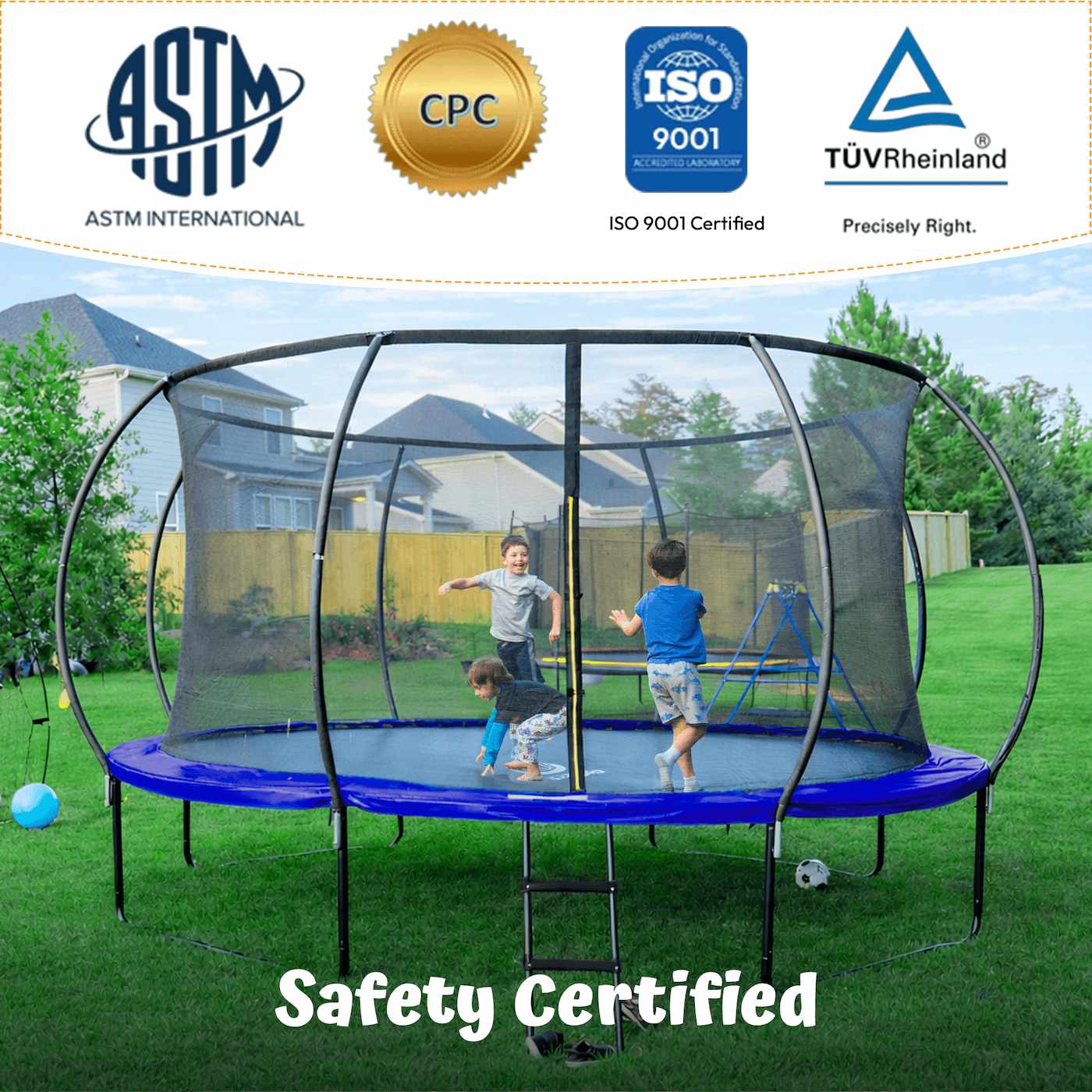
A safety net helps prevent falls from the trampoline. Inspect the trampoline net regularly, paying particular attention to the fabric, stitching, zipper or entrance area, and attachment points. If the enclosure net has significant tears or weakened stitching, replace it rather than continuing to use a damaged barrier.
-
Safety Pads and Padding
Padding protects jumpers from direct contact with the frame and springs. Over time, exposure to UV rays, rain, and general wear causes padding to crack, split, fade, or deteriorate. Replace damaged padding when it no longer provides adequate coverage.
How to Make Your Trampoline Last Longer
Good maintenance significantly extend your trampoline's lifespan. These simple habits can help protect your investment.
-
Clean the Trampoline Regularly
Remove leaves, dirt, grass, and other debris from the jumping mat and surrounding area. Debris can hold moisture against materials and contribute to deterioration. Make sure you clean the trampoline according to the manufacturer's recommendations and avoid harsh cleaning products that could damage the mat, padding, or net.
-
Inspect It for Warning Signs
Regular inspections make it easier to catch problems before they become serious. Check the trampoline at least monthly, and inspect it after severe weather. Look at the:
-
Jumping mat and stitching
-
Trampoline springs and spring hooks
-
Safety net and enclosure net
-
Safety pads and padding
-
Frame and frame joints
-
Poles, bolts, and attachment points
Watch for rust, tears, stretching, loose parts, and changes in bounce. If you notice a damaged component, stop using the trampoline until you properly repair or replace it.
-
-
Use a Weather Cover
A weather cover helps protect your trampoline when it is not being used. It reduces direct sun exposure and helps keep leaves, dirt, and moisture away from the jumping surface. However, a cover is not a substitute for proper maintenance. You need to check the trampoline regularly even when it is covered.
-
Protect It From Severe Weather
Outdoor trampolines are designed for outdoor use, but extreme weather still causes damage. During heavy snowfall, you need to remove accumulated snow from the mat instead of letting it build up. Strong winds can also affect stability, so make sure your trampoline is properly anchored. Follow the manufacturer's recommendations for securing or storing removable components if severe weather conditions are expected.
-
Replace Worn Parts Promptly
Don't wait until a minor problem becomes major. Replacing worn springs, padding, a trampoline mat, or a safety net helps extend the life of the entire trampoline. Using compatible replacement parts is a practical alternative to full replacement when the frame and other major components remain in good condition.
Final Words
A good trampoline should last for 5-10 years and may last longer if well cared and maintained regularly. The lifespan of a trampoline varies from one trampoline to another, depending on a variety of factors such as the quality of the materials used, weather exposure, outdoor use, jumping frequency, weight capacity and installation.
Observe for warning signs like rust, rips, loose springs, worn-out padding, and loss of bounce. When you regularly inspect and replace worn trampoline components, you ensure that your trampoline remains safe, long-lasting, and fun for your children throughout the year. As you check out a new trampoline, take some time to explore the Jumpzylla trampoline collection to see if there's a model you can fit in your backyard and your family's needs.
FAQ
How long do trampoline springs last?
The average life expectancy of trampoline springs is 2 to 6 years, but it depends on the quality of the springs, usage, exposure to weather elements, and maintenance. Springs stretch, rust, or go flat more quickly as a result of heavy usage and repeated exposure to the outdoors.
How long do trampolines last?
The lifespan of good quality trampolines is about 5-10 years. A high quality trampoline made from durable materials and appropriately maintained may last for a longer period of time, but if the trampoline is lower in cost and left in harsh weather, it could have a shorter life.
How do I know when my trampoline needs replacing?
Inspect for warning signs, including a damaged jumping mat, springs that are too worn or stretched, rust, damaged safety netting, worn padding, bent frame parts or anything that seems out of the ordinary. If they are only broken and the frame is still intact, it may only be necessary to replace the broken part instead of the whole trampoline.
Can I leave my trampoline outside year round?
Some trampolines can be used outdoors all year long, but still require care. Cover the trampoline when necessary, clean the trampoline regularly, shovel the snow off the trampoline, and check the trampoline after inclement weather. Always follow manufacturer's care and storage instructions.
Is it better to replace trampoline parts or buy a new trampoline?
When the frame is still in good condition, replacing components may be more cost effective. If there are major cracks, heavy rusting, bending or other structural defects, it may be necessary to replace the entire frame.